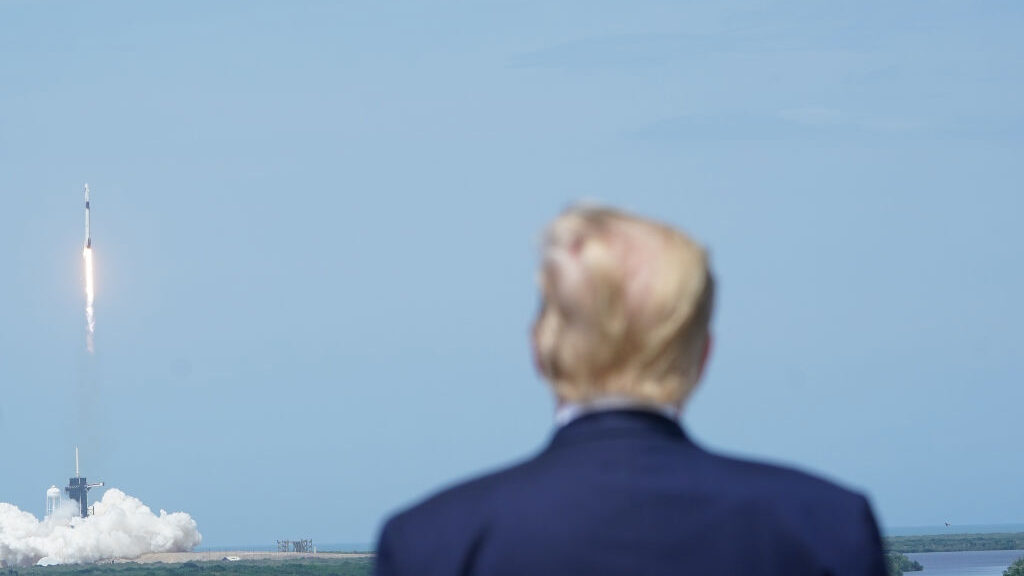
The sky is not falling: Why Trump may not need the space council anyway
In this op-ed, analyst and former Pentagon space policy official Christopher Stone argues that worries over the potential death of the White House panel are overblown.
On the eve of the third annual Space Mobility Conference here, supporters of Defense Department investment in technologies to enable what SPACECOM calls "dynamic space operations" are facing a recent cooling of near-term interest from senior Space Force officials.
CDAO’s Advana data analytics platform is ingesting data from about 500 DoD business systems.
"The three new rules ... recalibrate our approach to export controls," a senior Commerce Department official said. "These changes will offer relief to US companies and they'll increase innovation without compromising the critical technologies that keep our nation safe."
"In the end, what we're really going to have to figure out here is: what needs to change? Is it policies? Is it authorities? Is it processes? Is it funding? Is it purely just advocacy and communication?" said National Space Council Director Chirag Parikh.
"We can't expect to bridge the valley of death through S&T programs, and industry accelerator programs. ... We need to identify and prioritize resources, funding and personnel," said Diane Howard, National Space Council head of commercial space policy.
The Space Force has made some visible progress in its "pivot" towards resiliency, but acquisition reform remains a hard slog.
"This oversight regime will balance economic competitiveness together with safety, security, sustainability, and responsibility," states the new United States Novel Space Activities Authorization and Supervision Framework.
"Telling me: 'I'm creating a monster, but putting it in your closet,' still means I have a monster in my closet. And I'd really rather not have a monster in my closet," an industry representative told Breaking Defense.
The Biden administration's plan came, in part, in response to a different congressional proposal about how to divvy up heavenly authorities, sources told Breaking Defense.
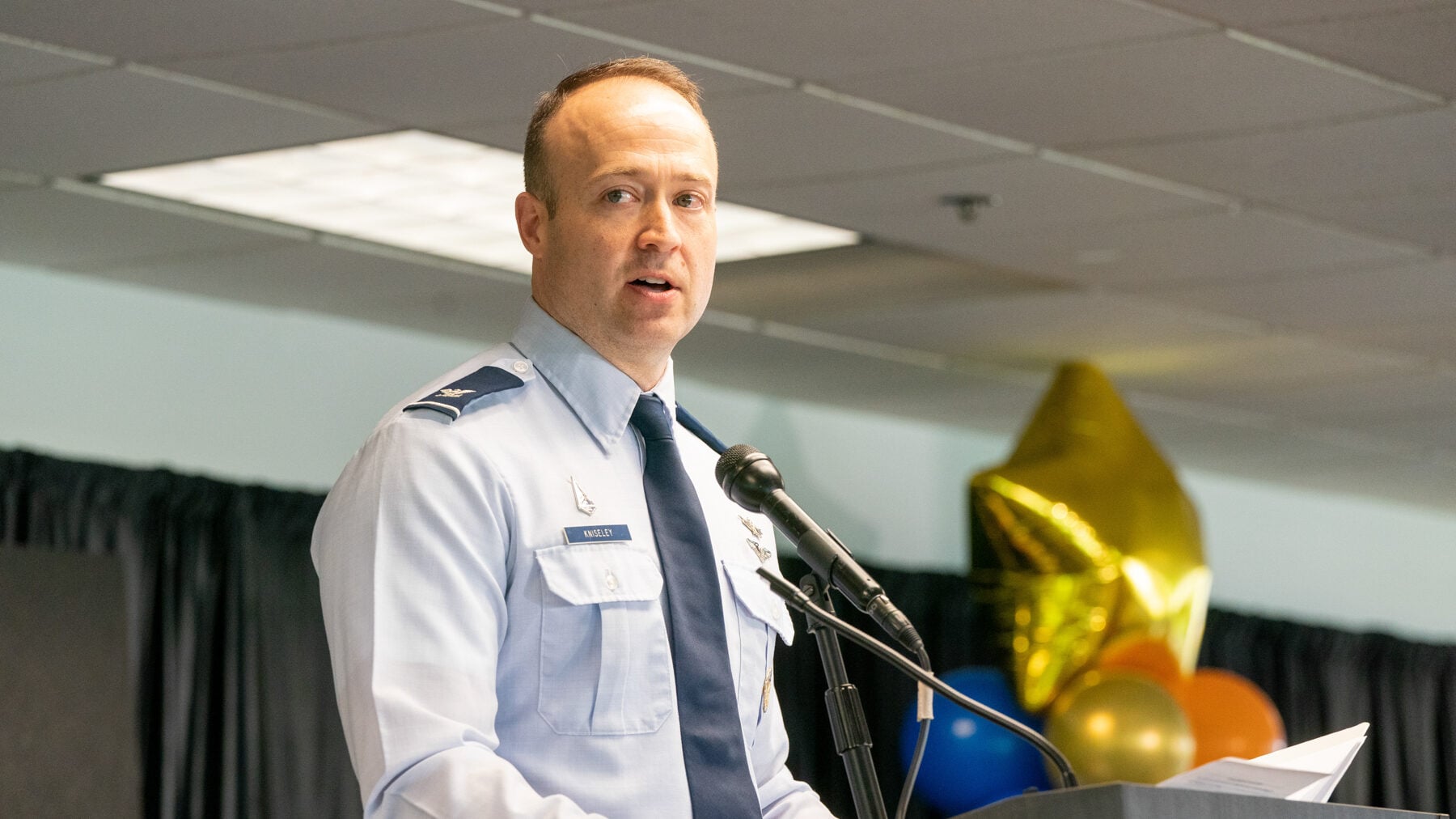
"The capacity needed during times of crisis or conflict will exceed our steady state peacetime demand," said Col. Rich Kniseley, who leads Space Systems Commands Commercial Space Office.
"And as weird as that sounds, you know, from an industry guy, I absolutely need regulation and enforcement," said Tory Bruno, CEO of rocket maker ULA. "Because one bad actor can ruin that entire common environment for all of us."
"China is a major space player and will be a major space player. They are not participating in the global dialogue, and in global information sharing on SSA. That's unsustainable," said Richard DalBello, head of the Commerce Department's Office of Space Commerce.
The "Venn diagram ... of civil, commercial, and national security is becoming more and more overlapped," said Chirag Parikh, executive secretary of the National Space Council.
The ongoing White House-level review of what is often called "mission authorization and supervision" responsibilities has not been simple, according to several government officials involved, with the key agencies with current legal say over space regulations jockeying for a piece of the regulatory pie.